




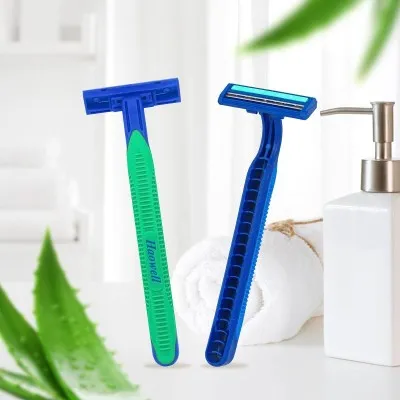
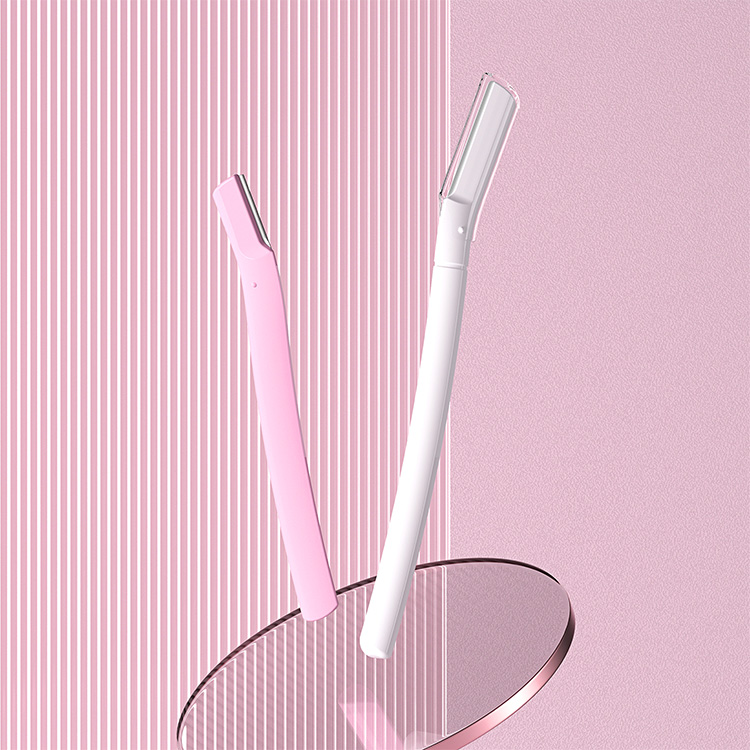
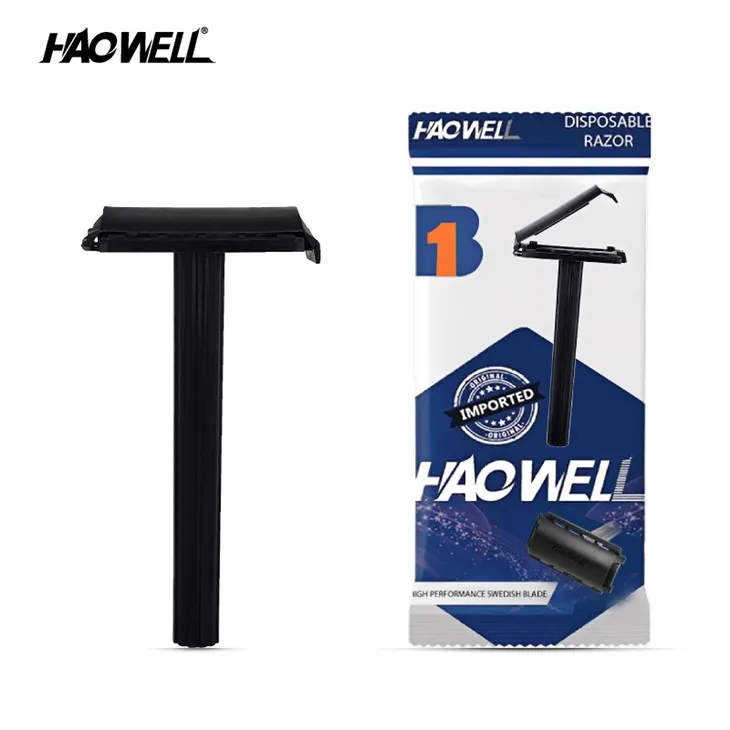
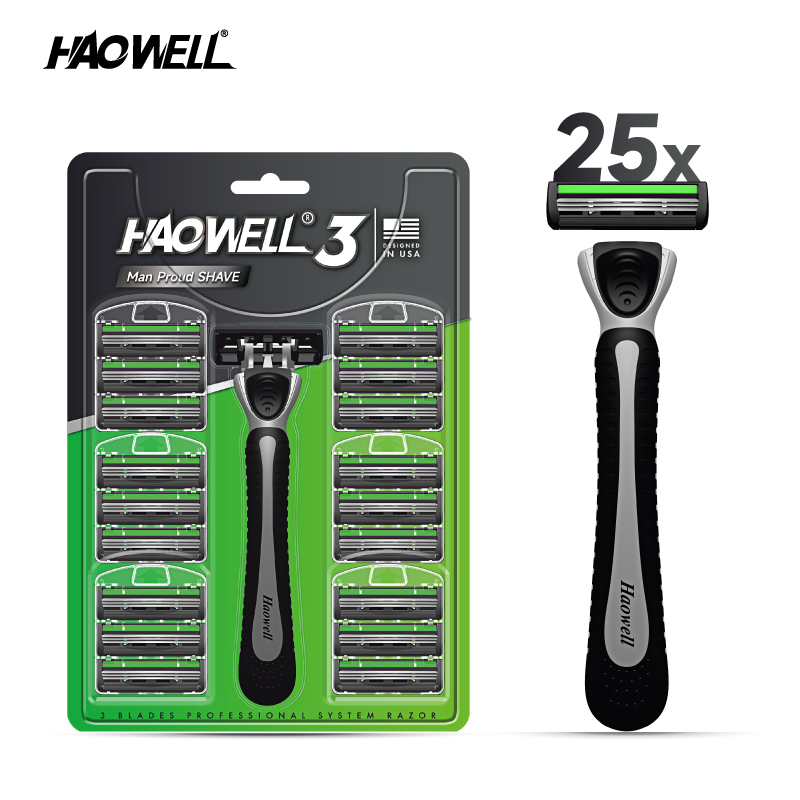
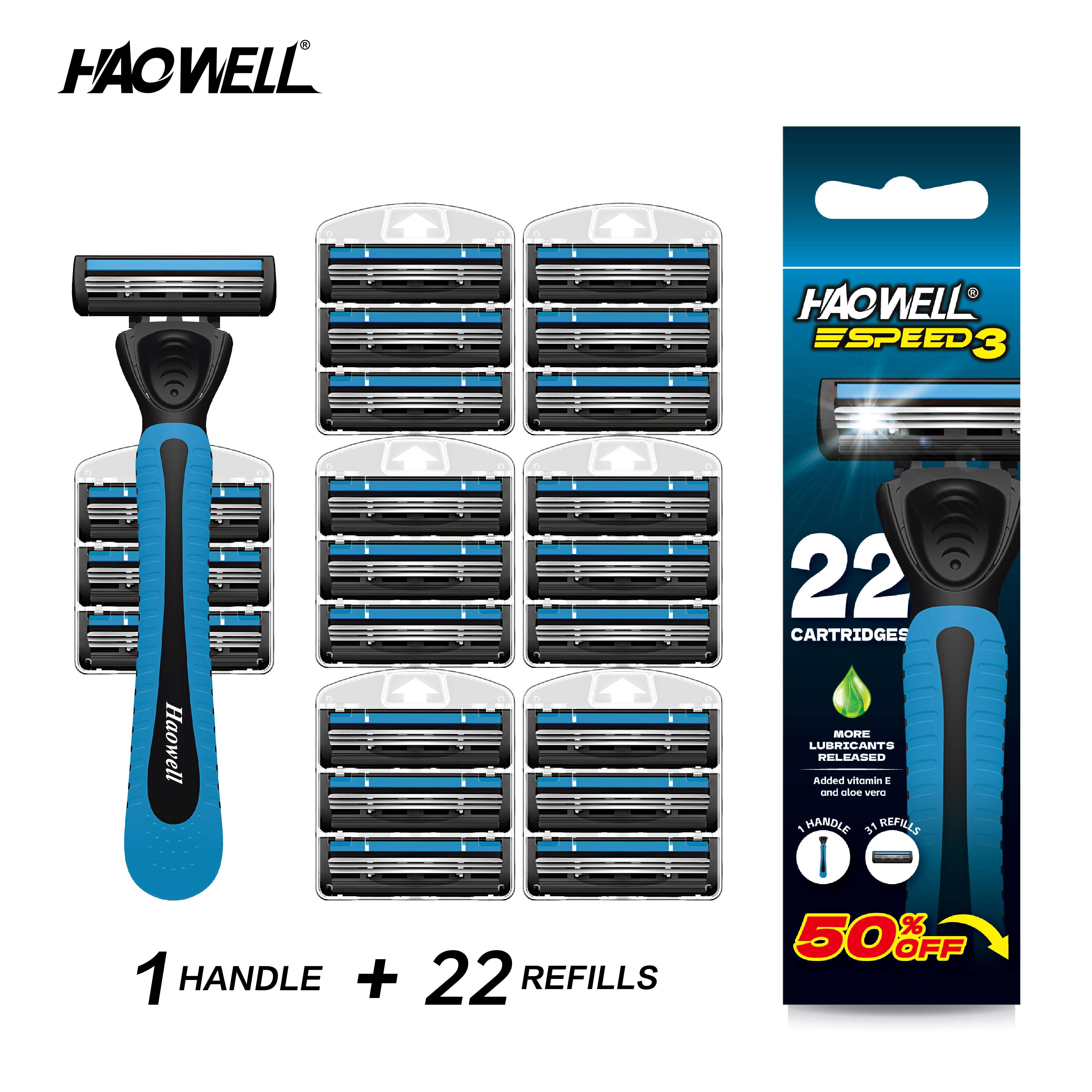
Benefits of Razor For Men
Close and Comfortable Shave
Safety razors provide an exceptionally close shave, leaving your skin feeling smooth and stubble-free. The single, sharp blade reduces tugging and pulling, making it ideal for men with sensitive skin or prone to irritation.
Cost-Effective Solution
While the initial investment in a shaving kit might seem higher, the long-term savings are substantial. Traditional safety razor blades are inexpensive, lasting much longer than cartridge razors, which often need frequent replacements.
Environmentally Friendly
In an era of growing environmental awareness, safety razors shine as eco-friendly grooming tools. Disposable plastic razors contribute significantly to waste, but safety razor blades can be easily recycled, reducing your carbon footprint.
Classic Design and Durability
Men's shaving kits with a safety razor exudes timeless elegance. Crafted from high-quality materials like stainless steel or brass, these razors boast exceptional durability, ensuring they last a lifetime when properly cared for.
Less Razor Burn and Ingrown Hairs
Unlike multi-blade cartridges that can cause razor burn and ingrown hairs, safety razors offer a gentler approach. They decrease the likelihood of skin problems and promote a healthier, smoother complexion.
Art of Shaving
Using a safety razor is not just a routine; it's an art form. Mastering the technique of shaving with a safety razor is both rewarding and meditative, transforming the mundane task into a luxurious ritual.
Versatility and Customisation
Safety razors come in various styles, weights, and handle lengths, allowing you to find the perfect fit for your hand and shaving preferences. You can also experiment with different blade brands to discover your favorite.
Minimal Maintenance
Maintaining a safety razor is simple. After each use, rinse it thoroughly and occasionally disassemble it for a deeper clean. With proper care, your safety razor will maintain its impeccable performance.
Nostalgic Appeal
For those who appreciate a touch of nostalgia, using a safety razor connects you to a bygone era when grooming was a refined art. Embrace the retro charm and elevate your shaving routine.
Stress-Free Travel
Traveling with a safety razor is hassle-free. Unlike cartridge razors with bulky cartridges, a safety razor requires only a few extra blades, minimising the space in your toiletry bag.
Reasons Why Shaving Is Still Relevant For Younger Men
It Removes Dead Skin Cells
You may have seen your dad shaving almost every day for the most of your childhood. But have you ever noticed how balanced and even his skin looked? Because shaving worked as an exfoliator and pore cleanser for him.
Helps Clear Pore Build-Up
Sweat, humidity, and pollution increase the accumulation of dirt on your skin. This combination settles at the openings of your pores. Shaving helps fight this battle to clear up the sebum that can clog pores and lead to skin issues. It prevents pore blockages, reducing the chances of blackheads and acne.
Demands Less Maintenance
The point is maintaining a beard of a perfect length takes work and it is a never-ending quest. It involves regular trimming, shaping, and combing. On the contrary, shaving requires far less effort and day-to-day upkeep. Shaving can fit into your morning routine very easily and it won’t be a hassle. It's simply a straightforward process, and in no time you can look neat, clean, and sharp.
Easy Absorption Of Skincare Products
Yes, you heard that right. Shaving enhances your skin’s ability to absorb skincare products. It is pretty basic, when you shave, all you’re doing is removing the top layer of your skin that might act as a barrier to any skincare you apply on your face.
It Won’T Make You Look Less Manly
Probably the biggest misconception that floats around the trimmed vs shaved debate. If you look closely, all this is channelled towards looking more masculine. The reality is far from what most people know. In reality, either of these doesn’t determine your masculinity.
It’S Inexpensive & Less Time Consuming
Shaving simply is a practical and cost-effective way to groom. Take a pen and a piece of paper and write down the costs that are incurred for shaving vs other methods. You’ll be surprised how shaving wins on every front.
Are electric razors better than conventional razors?
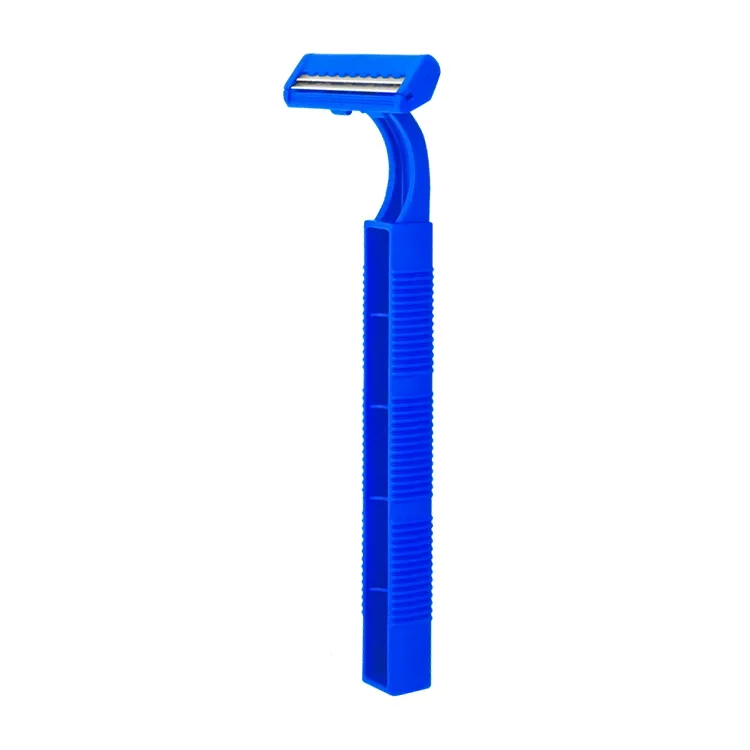
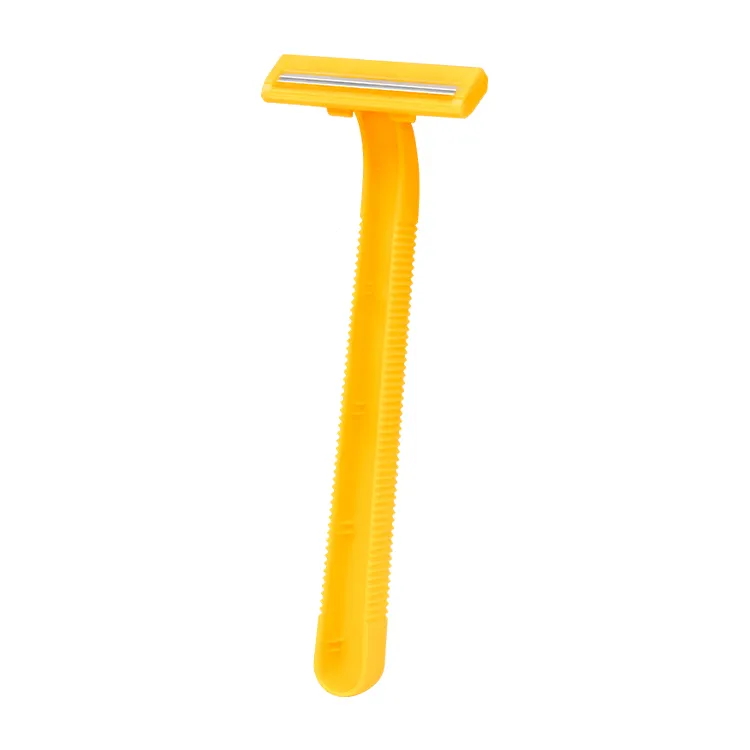


Protects Against Nicks And Cuts
shaver features two ultra-thin foils that let you get a close shave, but not too close. Plus, the shaver has a built-in SkinGuard that uses a skin-protecting metal bar to prevent further skin damage.
You’re Less Likely To Have Ingrown Hairs
Many razors are equipped with multiple blades, so if shaving with one blade leads to ingrown hairs, opting for an electric razor might be a good idea.
Protects Sensitive Skin
Electric shavers help capture hair without pulling and tugging at the skin, which reduces skin irritation. Newer technologies in the shaving industry also mean that common problems — skin discomfort or irritation associated with shaving — are reduced. The more we learn how the skin reacts to shaving, the better we can develop electric razors that reduce the most common discomfort.
Features A Long-lasting Blade
Although the upfront investment in an electric razor may be higher, the payoff means that you only have to replace the cutting head about once a year, depending on the manufacturer.
Provides An Easy, Pleasant Shaving Experience
Some electric shavers are waterproof, which makes shaving easier. You can shorten the time it takes to shave by eliminating shaving cream or water and still have a comfortable experience.
It’s Easy To Clean
If you don't clean your razor blade, you can build up debris and hair, reducing the blade's effectiveness. Fortunately, it's easy to clean an electric razor. It may come with a cleaning station that ensures the razor is ready after each use to enhance sanitizing for the next time.
Raw Materials of Razor For Men
Blades
Razor blades are periodically exposed to high levels of moisture and therefore must be made from a special corrosion resistant steel alloy. Furthermore, the grade of steel must be hard enough to allow the blade to hold its shape, yet malleable enough to allow it to be processed. The preferred type of steel is called carbide steel because it is made using a tungsten-carbon compound. One patented combination of elements used in stainless steel blade construction includes carbon (0.45-0.55%), silicon (0.4-1%); manganese (0.5-1.0%); chromium (12-14%) and molybdenum (1.0-1.6%); with the remainder being iron.
Plastic parts
The plastic portions of a safety razor include the handle and blade cartridge, or portions thereof, depending on the razor design. These parts are typically molded from a number of different plastic resins including polystyrene, polypropylene, and phenyleneoxide based resins as well as elastomeric compounds. These resins are taken in pellet form and are melted and molded into the razor components through a combination of extrusion and injection molding techniques. For example, in making the handle for their advanced shaving systems, Gillette uses a coextrusion process which simultaneously molds an elastomer molded over polypropylene to create a surface that is easy to grip.
Other components
Razors may contain a variety of miscellaneous parts which help hold the blade in place, guards which cover the blade during shipping, or springs or other release mechanisms which facilitate changing of the blades. These pieces are molded by similar processes. The more sophisticated brands include a lubricating strip made of polyurethane, or other similar materials, that is impregnated with acrylic polymers. These strips are mounted on the head of the razor, in front of the blades. The polymer film absorbs water and becomes very slippery, thus creating a lubricating surface that helps the blade glide across the surface of the face without snagging or cutting the skin.
Blade manufacturing processes involve mixing and melting of the components in the steel. This mixture undergoes a process known as annealing, which makes the blades stronger. The steel is heated to temperatures of 1,967-2,048°F (1,075-1,120°C), then quenched in water to a temperature between -76- -112° F (-60- -80° C) to harden it. The next step is to temper the steel at a temperature of (482-752°F (250- 400°C).
The blades are then die stamped at a rate of 800-1,200 strokes a minute to form the appropriate cutting edge shape. The actual cutting edge of modern cartridge style razor blade is deceptively small. The entire cutting surface is only about 1.5 in (3.81cm) wide by 1 mm deep. This is compared to traditional The plastic portions of a safety razor include the handle and blade cartridge. These parts are typically molded from a number of different plastic resins, including polystyrene, polypropylene, and phenylene-oxide based resins as well as elastomeric compounds. Razor blades are made from a special corrosion resistant blend of steel called carbide steel because it is made using a tungsten-carbon compound.
At a separate work station, another sheet of metal passes through a die and cutter device to form a series of L-shaped support members. These support members are formed in a line with two edge runners connected to each side.
The row of supports, still connected to the edge runners is rolled onto a coil and transported to the next station. There the support pieces are severed from the edge runners which are collected in a waste bin. The support members are dropped into a funnel-like device equipped with a vibrating unit which deposits individual support members onto a conveyor belt. The belt transfers the members in a single file fashion the third work station where they are welded onto the cutting blade. The finished blade assembly is then ready for mounting in the cartridge. Because the entire process is automated, waste from broken or bent cutting blades and support members is minimized.
Concurrent with the blade-making operations, the plastic components are molded and readied for assembly. The plastic resins are mixed with the plasticizers, colorants, antioxidants, stabilizers, and fillers. The powders are mixed together and melted in a special heated screw feeder. The resultant mixture is cut into pellets which can be used in subsequent molding operations.
Plastic razor parts are typically extrusion molded. In this process, molten plastic is shaped by being forced through the opening of a die. The parts can also be manufactured by injection molding, where plastic resin and other additives are mixed The manufacture of safety razors involves First making the blade cartridge by die stamping the carbide steel and then welding the blades to steel support members.
Simultaneously, the plastic components are extruded or injection molded and readied for assembly. The blade cartridge and plastic ports are automatically assembled at workstations that use vacuum lines to orient and hold the small blade ports in place during transport and insertion. Spring loaded arms push the blades into place and secure them in the cartridge slots. The finished cartridge may be attached to the razor handle during subsequent operations or they may be packaged separately.
Our Factory
Ningbo Shengshi Haowell Technology Co., Ltd began as a Blade Razor Mould factory (Ningbo Jiangbei Shengxing Mould Factory) in 2006. We focus on research&design for long history, especially in razor field, we are real professional manufacturer who spend 20 years to research products and production.

Certifications

FAQ
We're well-known as one of the leading razor for men manufacturers and suppliers in China. If you're going to wholesale razor for men made in China, welcome to get free sample from our factory. Also, customized service is available.
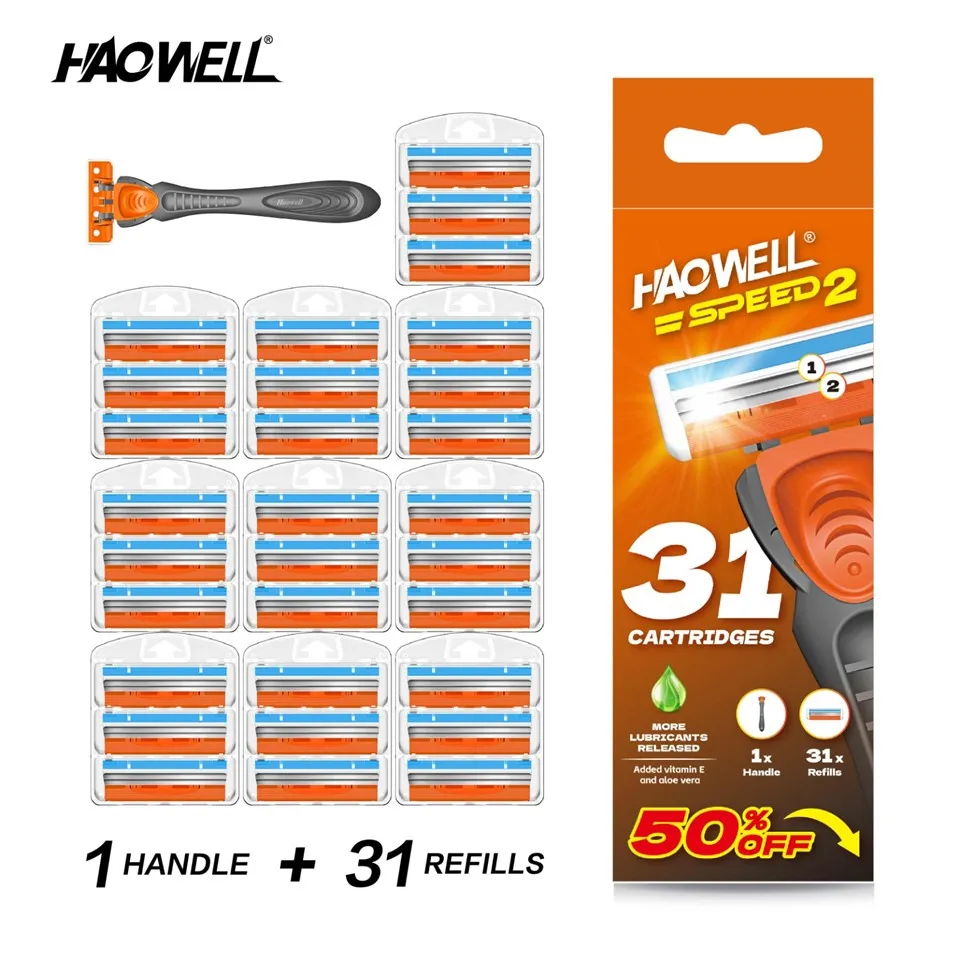
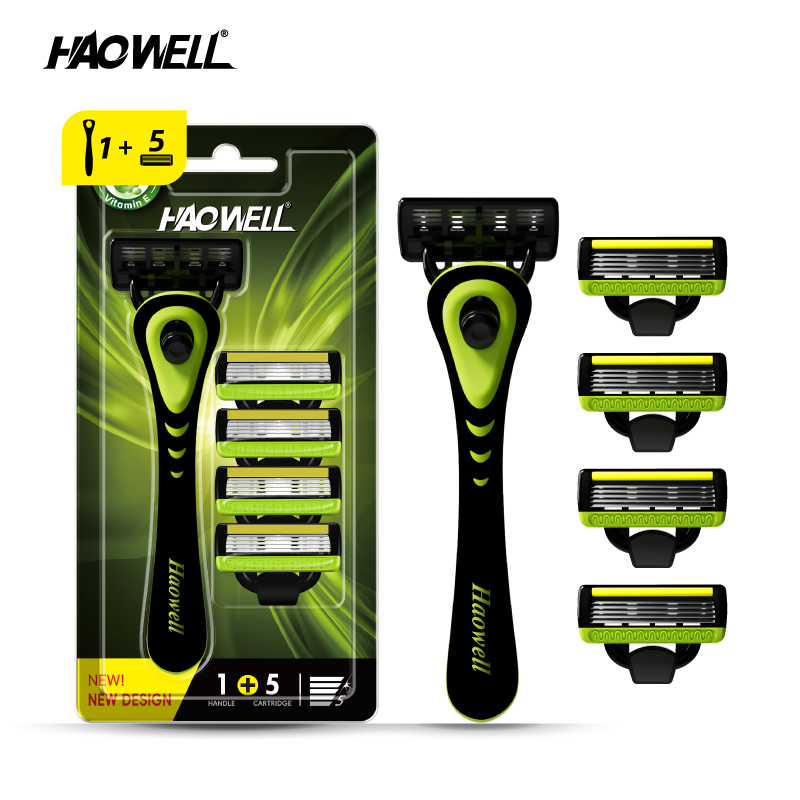
Five Blade System Razor Original Design Open Back Cartridge, gillette blue 2 plus, reusable razors