




- Page 1 of 1
With a Straight Razor Is Better Than Shaving With a Cartridge And a System Razor
Less Skin Irritation
The single edge blade’s sharpness allows it to shave the hair in a one to two pass, while shaving with a cartridge is similar to having 3-5 blades gliding on your skin, which causes irritation.
More Precision And Control
The blade’s geometry of a straight edge razor lets you easily see where to position the edge, especially when trying to shave or reach small areas.
Smooth Shave
With a straight razor, you can properly get the ideal blade-to-skin angle that lets you cut hair as close to the skin level as possible.
If partnered with a lather you whipped up from an all-natural shaving soap, shaving with a straight edge razor lessens the risks of getting accidental cuts and nicks, which can later be the cause of razor burn, infections, irritation, and in-grown hairs after wet shaving.
Cost-efficient And Sustainable
Wet shaving is the most eco-friendly way of grooming. Straight razors can replace $1,000 worth of plastic razors and lessen the demand for the industry’s resource-intensive production needs.
Pivot Pin
A straight razor’s pivot pin is the bolt allowing the blade to swivel away from the handle for its open and close mechanism. It is an essential razor part requiring an ideal amount of tension to keep the blade steady and prevent it from closing during the shaving process.
Scales
The scales refer to the straight razor’s handle and the material it is made of, which can be plastic, steel, brass, or wood. It functions as the point of balance, providing the ideal blade-to-handle heft, which is crucial in making the pivot pin work when opened.
Tang
The tang or tail is the part of the straight razor that projects out beyond the pivot pin. It also helps counterbalance the blade when you rest your finger on top for stability. Hence, it should not be too heavy or extend too far past the pivot pin if it were to provide the perfect balance needed for precision.
Shank
The shank is the straight razor’s metal section that lets you hold the tool correctly while grooming your face. It allows your index, middle, ring, and pinky fingers to get a good grip.
Jimps
The ridges under the shank are the straight razor’s jimps, and it serves as tiny speed bumps for your finger to get a better grip on the razor and prevent slipping while shaving.
Shoulder
The shoulder of a straight razor is the section between the spine and the shank. It is where the blade starts to take form and separate from the thick steel of the tang. Simply put, the shoulder is the transition point to the shaving thickness of the blade.
Spine
The spine or top is the section of the blade on the opposite side of the cutting edge. Its thickness and thinness define the blade’s weight, which is crucial to balance the scale for an effortless shave.
Advantages Of A Safety Razor: Not Only Environmentally Friendly
Close Shave: Safety razors give you a closer shave than many electric razors and cartridge razors because they fit closer to the skin, shaving hair closer to the skin.
Less Skin Irritation: Safety razors tend to cause less skin irritation because a single blade doesn't irritate the skin as much.
Longevity: Reusable safety razors are typically made of metal or wood, making them far more durable than plastic drugstore razors.
Environmental Friendliness: Reusable safety razors are more environmentally friendly because, unlike disposable razors, they do not have to be thrown away.
Blade Freedom: Blades from different manufacturers can be used in the safety razor. So you can try different blades.
Inexpensive Blades: Standard blades only cost a few cents and are significantly cheaper compared to conventional plastic interchangeable heads.
Traditional Method: Shaving with a safety razor is a traditional method of shaving and provides a comfortable shaving experience for many people.
Eye Catcher: Compared to a conventional system shaver from the drugstore, a razor is a real eye-catcher in the bathroom.
Proper Handling Of The Safety Razor
In order to master the correct technique when shaving with a safety razor, there are a few tips and tricks that should be considered:
Always Use Fresh Blades: A fresh blade allows for a smoother, closer shave and reduces the risk of skin irritation.
Clean Your Skin: Clean skin is the basis for a smooth shave.
Use A Shaving Soap Or Gel: These products create a lubricating film that softens the skin and raises the hair, making shaving easier.
Hold The Safety Razor At The Right Angle: The safety razor should be held at an angle of 30 degrees to the skin to ensure a close and safe shave.
Use Short, Gentle Strokes: Avoid pressing the safety razor too hard on the skin and instead use short, gentle strokes to remove the hair.
Clean Your Skin: After shaving, cleanse the skin with cold water to remove foam residue from your skin and to close the pores.
Use A Moisturizer: After shaving, it is important to soothe and hydrate the skin to avoid irritation.
How To Choose The Right Safety Razor
Razor Construction
Safety razors can be built several different ways. Most common are three-piece razors consisting of a handle, a base plate, and a top cap (sometimes the handle and base plate are fused together). These razors are easy and inexpensive to manufacture. A one-piece razor with a top that opens (commonly termed “twist to open” or “butterfly”) is more difficult to manufacture but is also more convenient when it comes to blade replacement.
Skin Guard Design
The “safety” part of the safety razor is the way skin is protected from the blade edge. The first safety razors used an “open comb” design, with teeth cut into the razor’s top cap to channel stubble and shave lather into channels where the blade edge would cut. This style is still available but a solid bar (either smooth or with a scalloped top) is more common.
Shaving Efficiency
A safety razor’s head design can be engineered to provide a specified amount of exposure to the blade’s edge, providing a milder or more aggressive (though some prefer to say more or less efficient) shave.
Weight And Handle Length
There are razors that are heavier than others and razors with different handle lengths. This affects the balance and comfort of the razor in the individual’s hand.
Specialty Variations
Want do drop down the razor rabbit hole? There are specialty safety razors that are adjustable, slice hair at a slant instead of head-on. Some have pivots like a cartridge razor, while others are made out of exotic materials by artisans.
Metallurgy
Blades can be made out of a number of different metals or alloys, such as stainless steel, tungsten, or carbon steel.
Coating
Blade edges may be coated with different materials to provide a non-stick surface, longer blade life, or less susceptible to chipping. When you start shaving with a safety razor, it is worth experimenting with different brands of blades to find which one(s) work best for you.
How To Shave With A Safety Razor
Step #1: Wash Your Hands
Wet shaving with a safety razor means the skin needs to be wet! Doctors say it can take up to three minutes to properly clean and hydrate the face with warm water for a shave, so spending time here will pay off during the rest of the process. The most important thing to remember is to use a cleanser specifically meant for the face, like Cremo Face Wash. Why? Using a “deodorant bar,” “body bar,” or other all-over soap will strip off too much of the skin’s natural oils needed for a more comfortable shave.
Step #2: Don'T Forget Your Neck
And don’t forget to pay attention to the neck. Shavers often splash water all over the face but neglect the neck. The skin there is thinner and more sensitive which makes careful preparation all the more important.
Step #3: Fill A Sink With Warm Water And Have A Mirror Ready
To be used during the shave. A Shave Mirror is useful here.
Step #4: Apply A Shave Lubricant
Shaving with a safety razor is most effective with a really good shaving cream like Cremo's Original Shave Cream. Its rich, concentrated formula packed with ultra-slick molecules so almost any blade can glide effortlessly over your skin. It comes in a variety of scents that make the shaving process more interesting and pleasurable. Apply an almond-sized amount (or perhaps just a bit more) to the fingers and spread evenly over the face and neck and let it sit for about 30 seconds to prepare the stubble for shaving.
Step #5: Set Razor To Skin
Grab the safety razor by its handle, rinse the head in warm water, then place the head on the side of the face with the handle perpendicular to the skin, with just enough pressure to hold it to the skin--don’t press down. Rock the handle down until the blade just makes contact with the skin--it should be at roughly a 30 degree angle off the perpendicular.
Step #6: Shave In The Correct Direction
Like all manual razors, you want to be aware of how the stubble grows (the “grain”) and initially shave in the same direction (“with the grain”). However, unlike multi-blade cartridge razors, you don’t have to be a slave to the grain with a safety razor--you may find you can probably shave in the predominant direction without having to follow every twist and turn.
Step #7: Take Short Slightly Overlapping Strokes Over Flattened Segments Of Skin
Unlike a cartridge razor with a pivot, when you use a double edge shaving razor YOU must maintain the angle of the blade against the skin. So you are going to have to manipulate how you hold the razor as you shave. It may be helpful to “lock” the wrist and use the arm as a unit to help maintain a consistent angle as you take shaving strokes, adjusting for the contours of the skin.
Step #8: “Rinse And Repeat”
Present a clean blade edge when you start each facet. Since a double edge razor blade has two edges, you only have to rinse the razor head in water half as much (just flip the razor around).
Step #9: Reduce The Stubble In Stages Or Passes
After you have finished shaving all the facets in the direction you have chosen, rinse thoroughly with warm water. Are you satisfied with the results? If so, you’re almost finished, move to the next step. If not, re-lather and shave again across the grain (90 degrees away from the direction you just finished with) following steps 5-8.
Step #10: Take Care Of Your Skin After The Shave
After you have finished your “passes” and rinsed thoroughly with warm water to remove any remaining lather residue, rinse with cool water to refresh the skin. Then apply a good aftershave balm.
Our Factory
Ningbo Shengshi Haowell Technology Co., Ltd began as a Blade Razor Mould factory (Ningbo Jiangbei Shengxing Mould Factory) in 2006. We focus on research&design for long history, especially in razor field, we are real professional manufacturer who spend 20 years to research products and production.

Certifications

FAQ
We're well-known as one of the leading system razor manufacturers and suppliers in China. If you're going to wholesale system razor made in China, welcome to get free sample from our factory. Also, customized service is available.
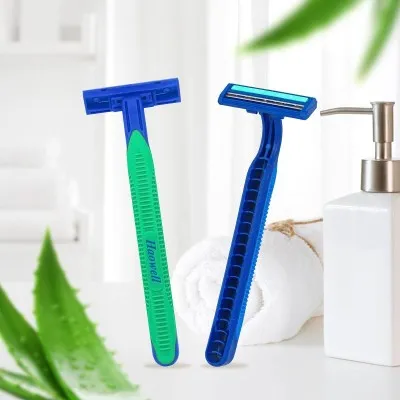
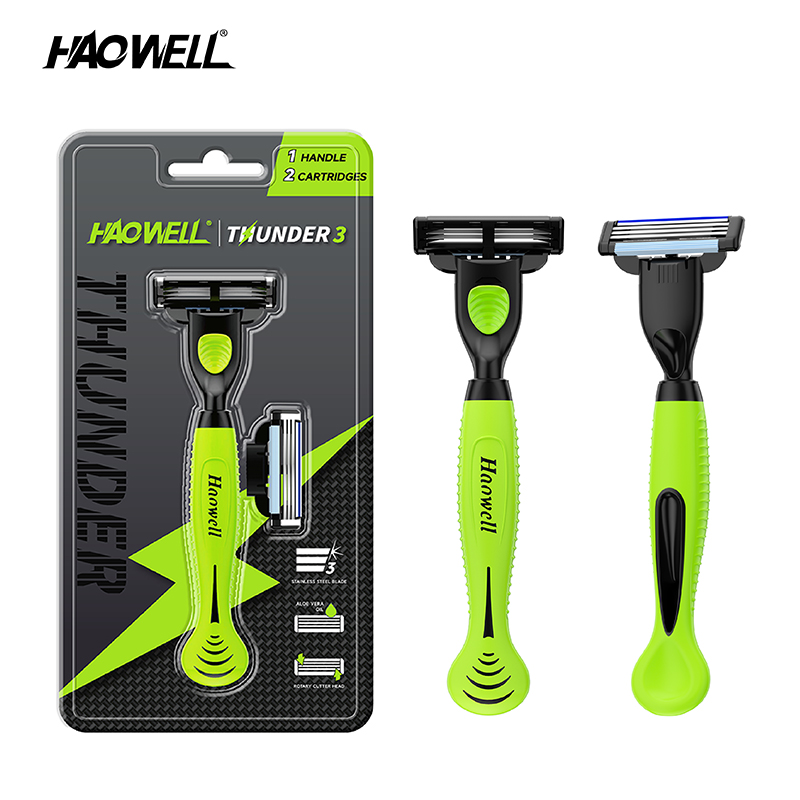
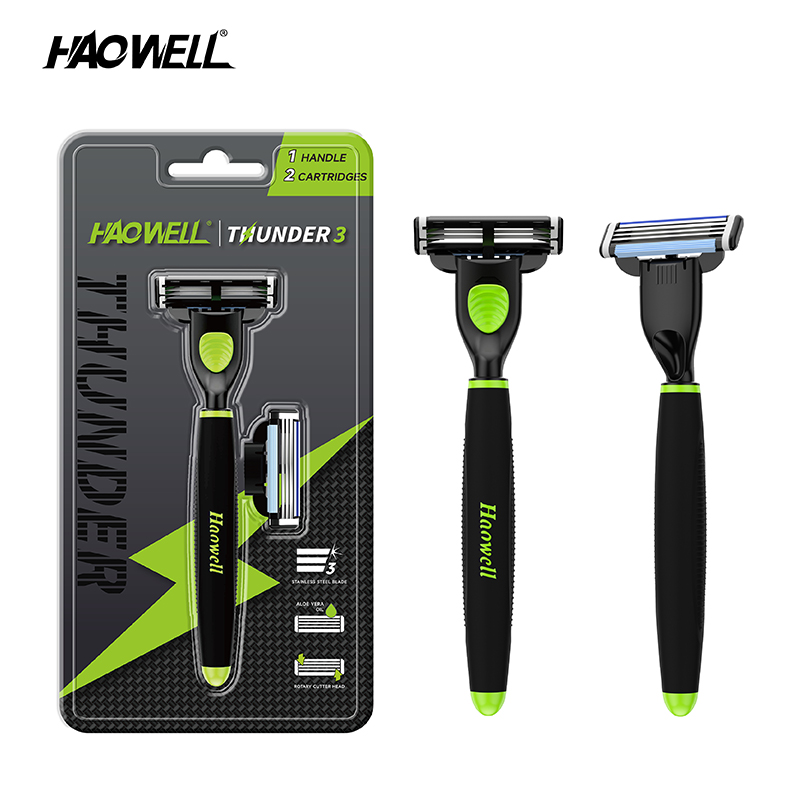
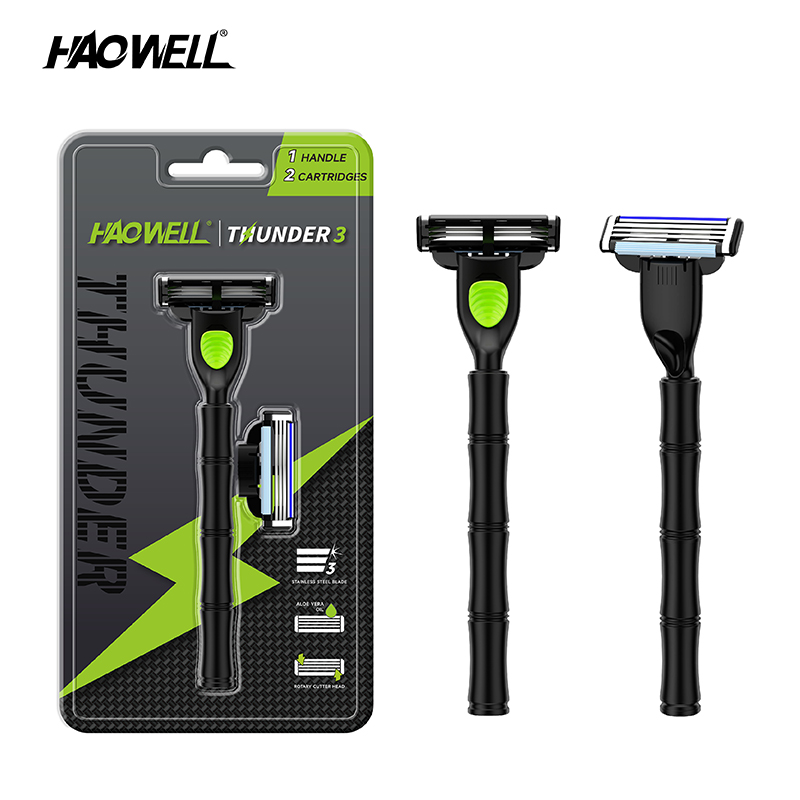
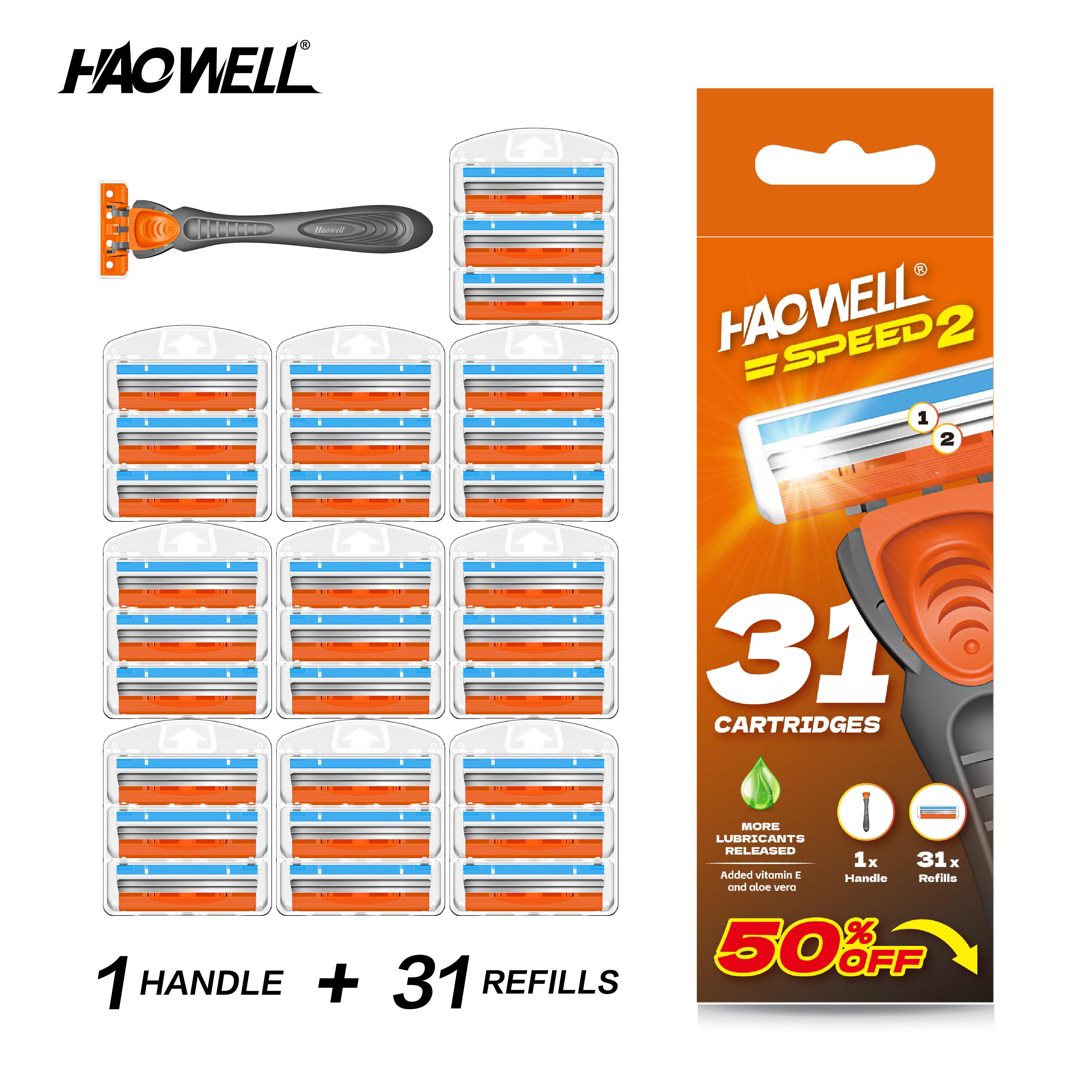
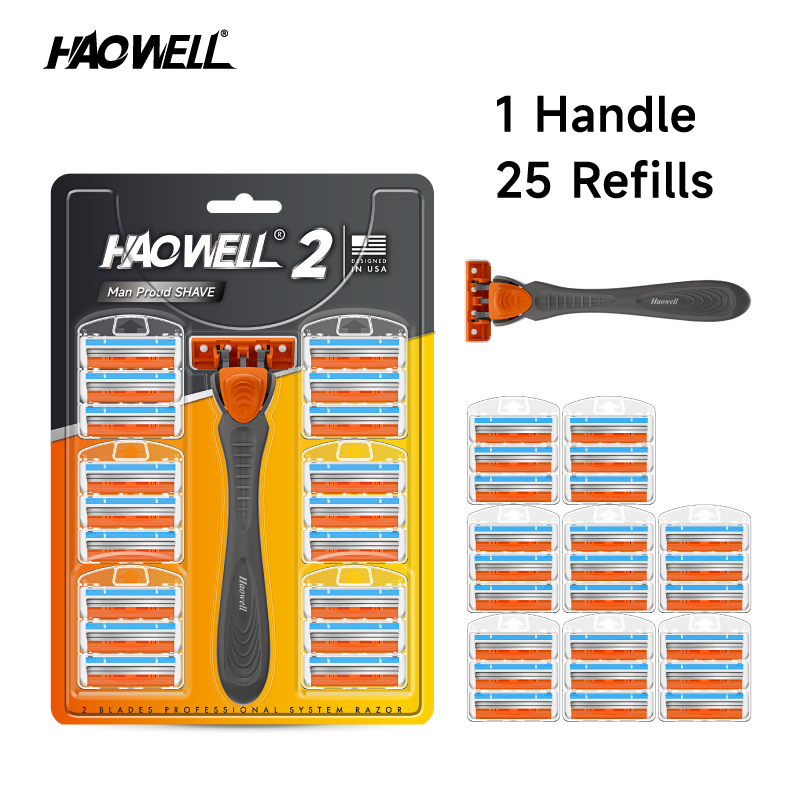
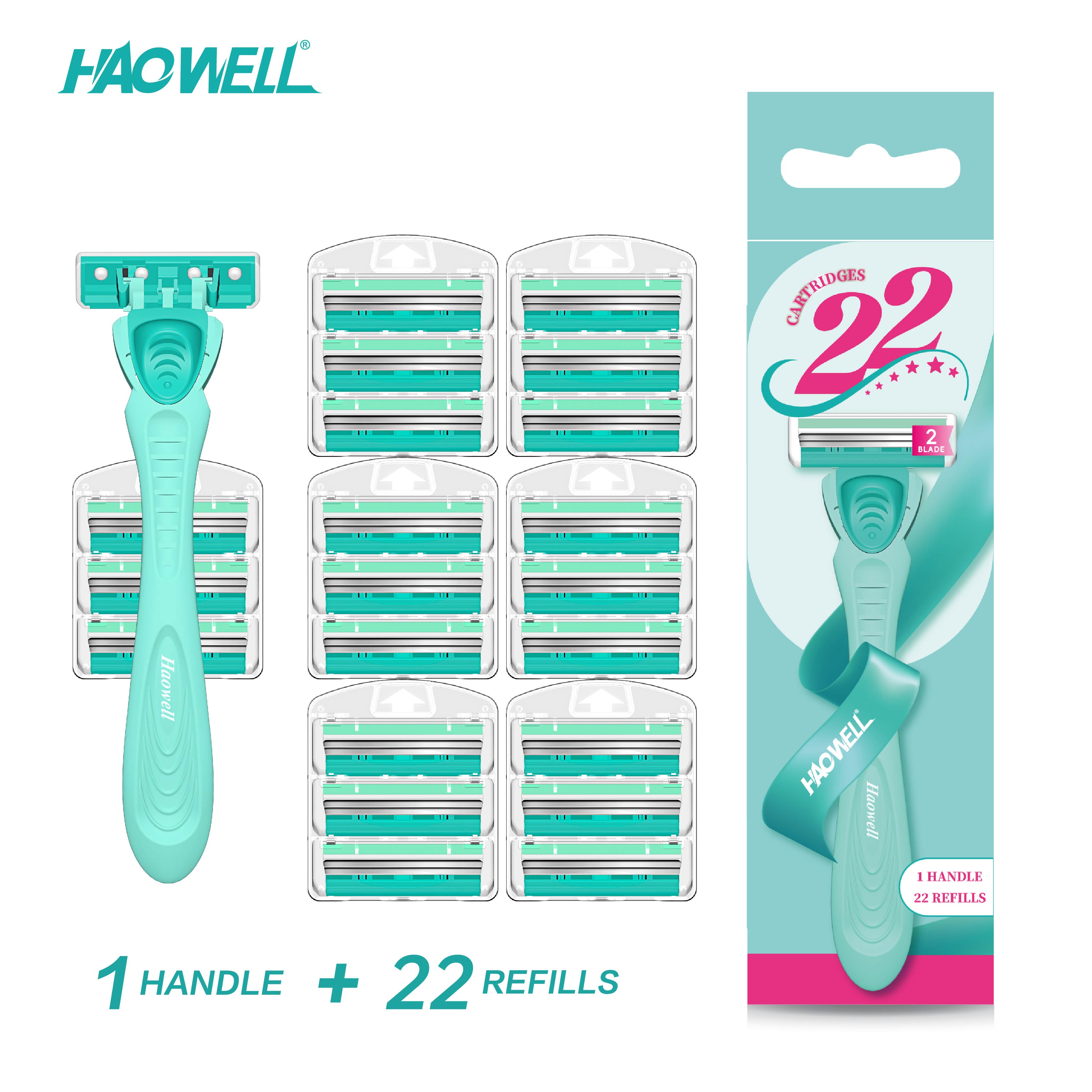
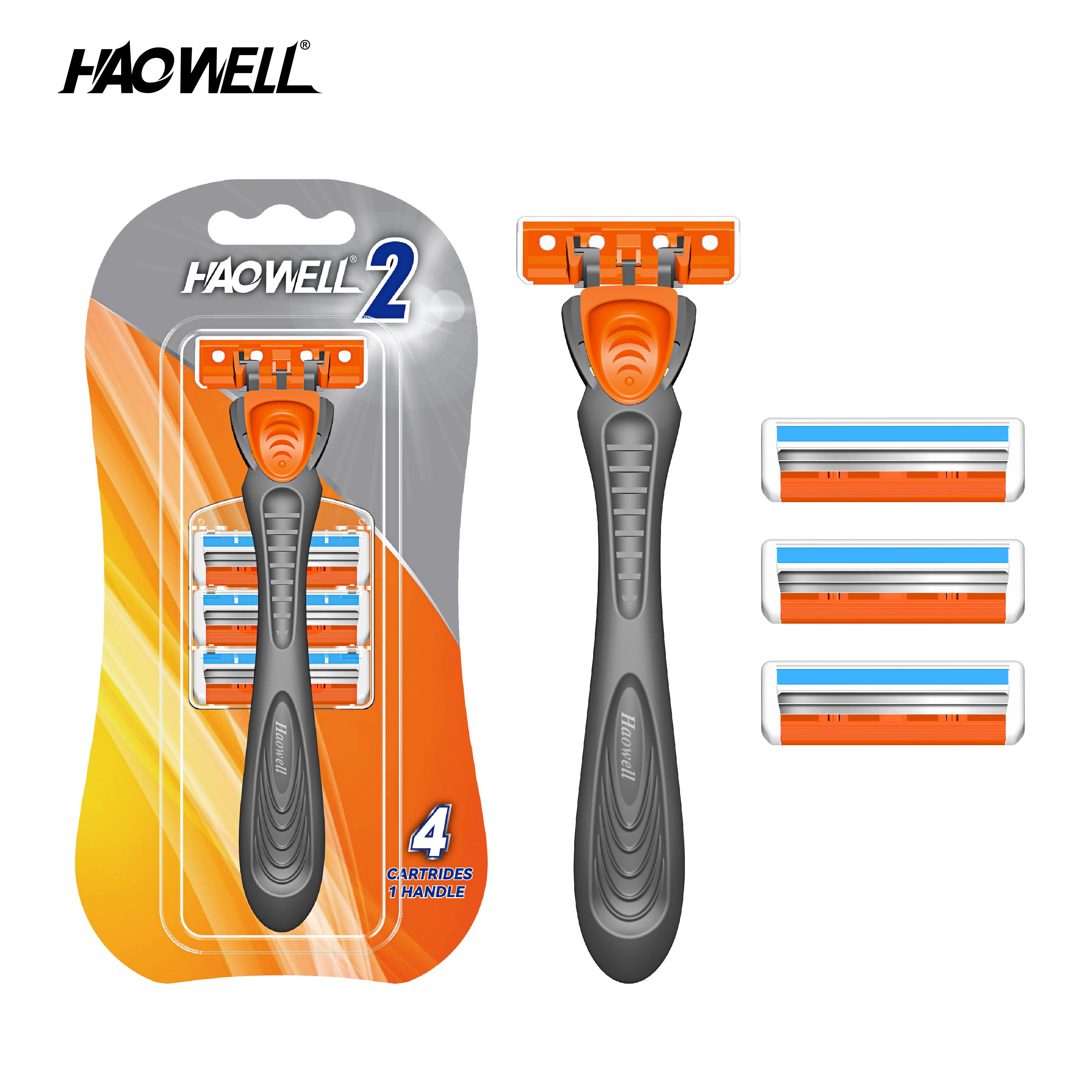
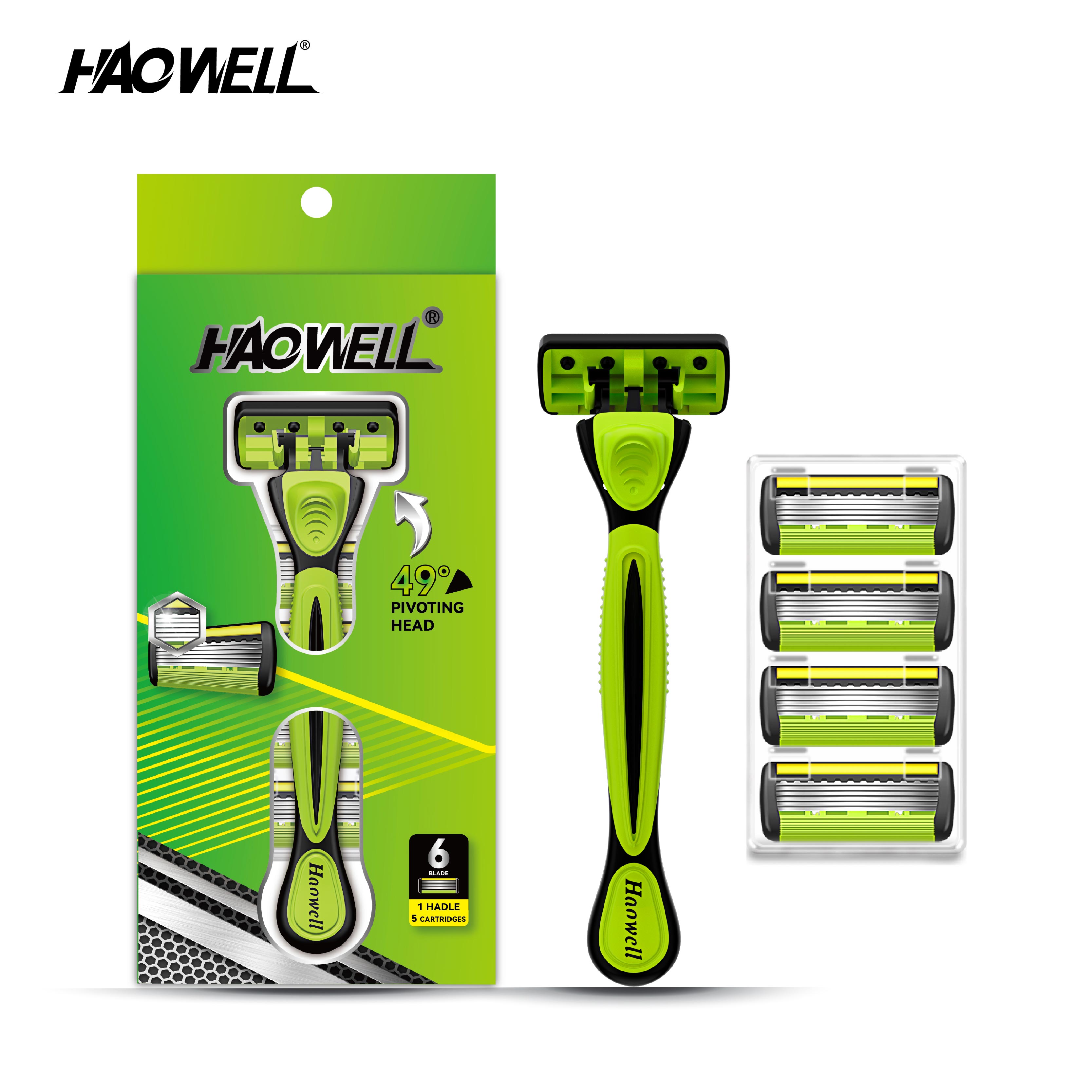
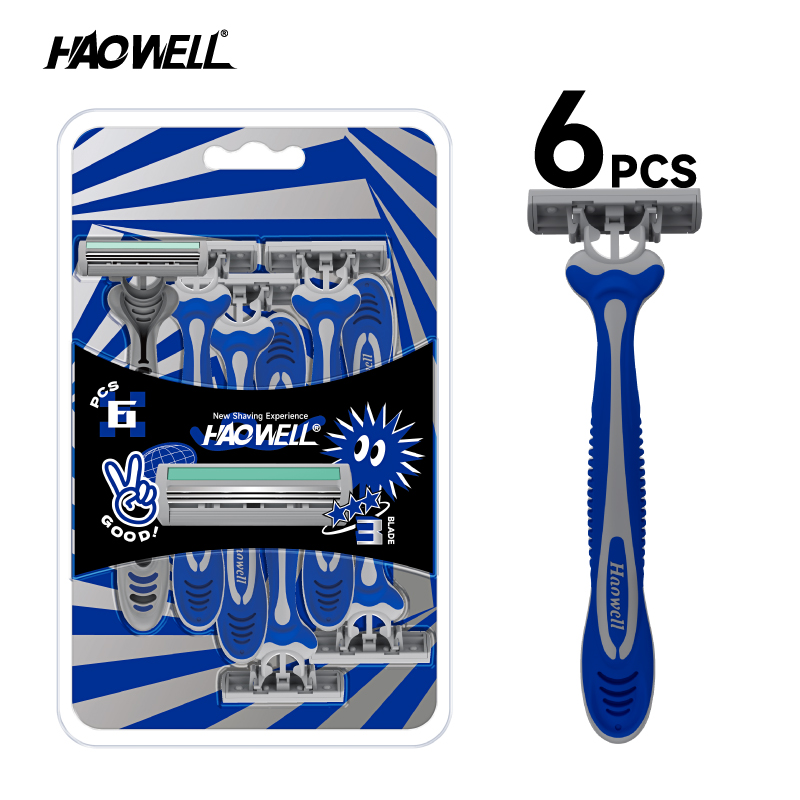
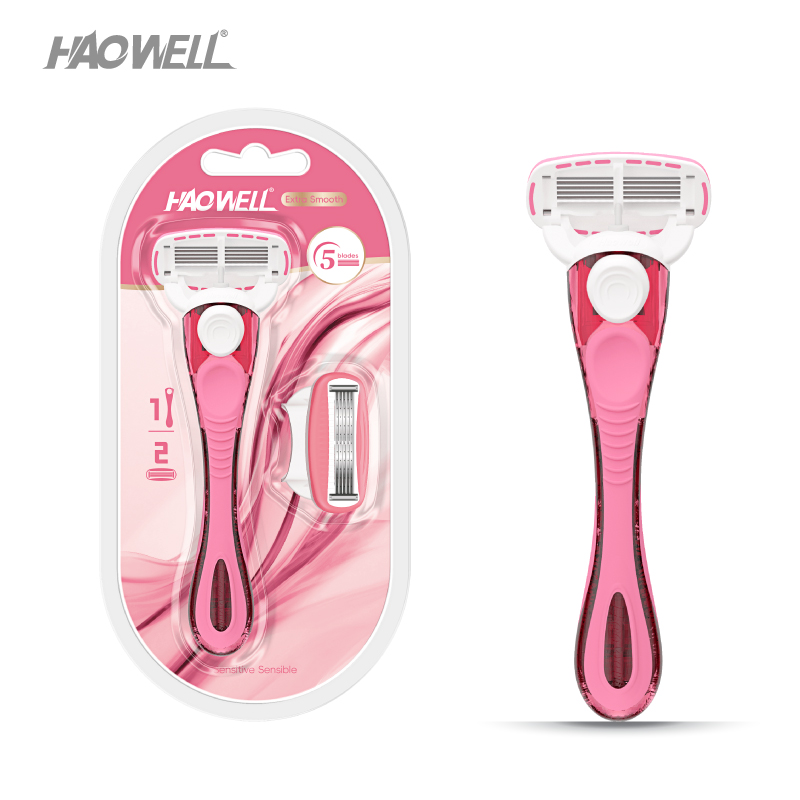
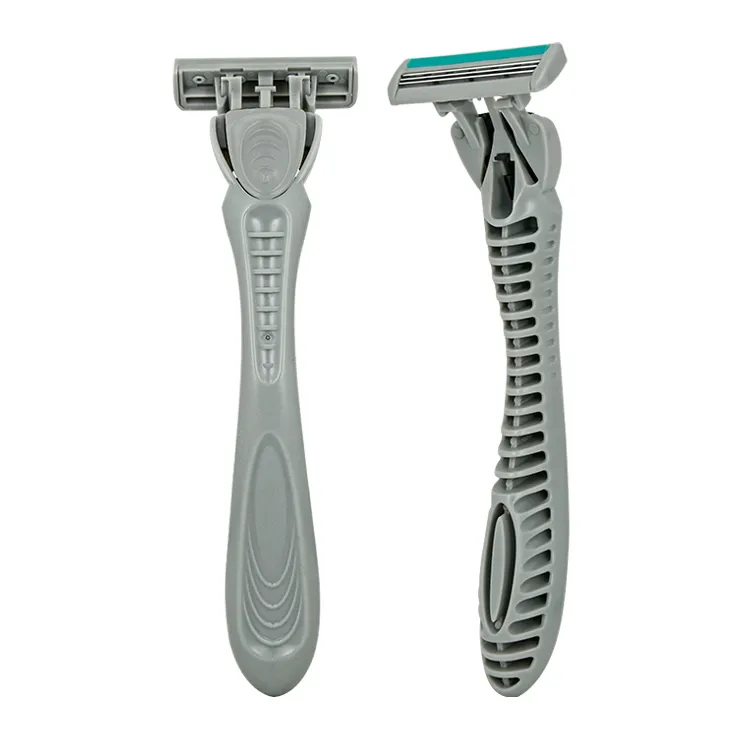
Manufacture Triple Blade Plastic Rubber Shaving Disposable Razor, Economic Five Blade System Razor with Lubricant Strip, Twin Blade Big Shaving Disposable Safety Razor